Germany in 2026: An Honest Guide for Expats
Understanding Germany's Economic Reality
If you're considering moving to Germany in 2026, it's important to understand that the country's economic landscape has shifted considerably from what it was five years ago. This guide provides an objective assessment of the current situation to help you make an informed decision.
The Economic Situation
Recent Performance
Germany's economy has faced significant headwinds in recent years. After contracting by 0.3% in 2023, the economy shrank by another 0.2% in 2024—marking the second consecutive year of decline. For 2025, forecasts predict minimal growth between 0.2% and 0.4%, making this the third consecutive year of stagnation or contraction.
This represents a stark contrast to the pre-pandemic era when Germany was Europe's economic powerhouse. Since 2019, Germany's economy has barely grown, while the broader eurozone expanded by nearly 5% and the United States by over 11%.
Why the Slowdown?
Several structural factors are contributing to Germany's economic challenges:
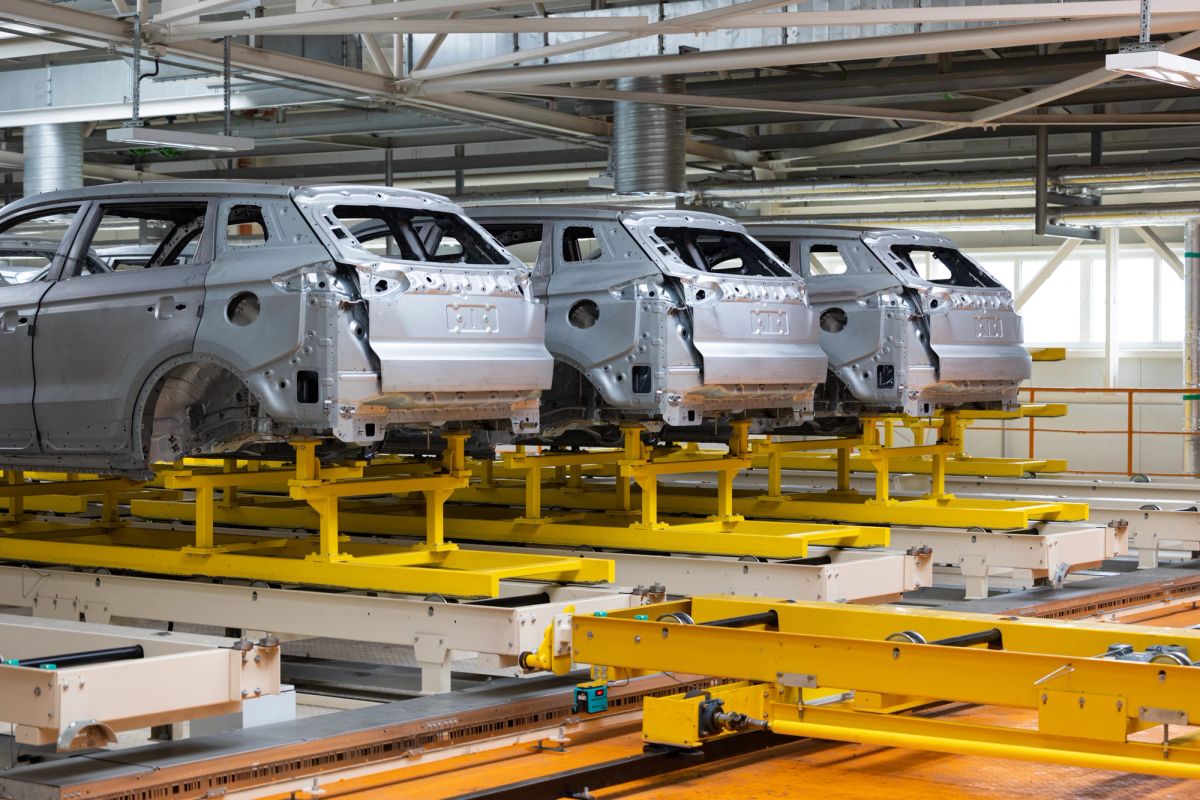
Industrial Decline: Manufacturing, particularly the automotive sector, is experiencing substantial difficulties. German car manufacturers have lost significant market share globally, with sales declining by an average of 12% in key markets in 2024. Chinese competitors like BYD have rapidly gained ground, offering more affordable electric vehicles with advanced technology.
Energy Costs: While energy prices have decreased from their 2022 peaks, they remain elevated compared to pre-crisis levels. Household electricity costs averaged around 40 cents per kilowatt-hour in 2025, down from 47 cents in 2023 but still significantly higher than before the energy crisis. For businesses, electricity costs have also moderated but remain a competitive disadvantage.
Demographic Challenges: An aging population is reducing the available workforce, which Germany is attempting to address through immigration reform.
The Labor Market
Employment Situation
Despite economic stagnation, Germany's labor market remains relatively stable:
- Unemployment rate: approximately 6% (as of late 2024/early 2025)
- Total employment: 46.1 million people in 2024, a record high
- Job growth concentrated in services, particularly public services, healthcare, and education
- Manufacturing jobs declining, especially in automotive and supplier industries
For context, Germany's unemployment rate remains lower than many European countries, though it has risen from around 5% in 2020.
Skills Shortages Persist
Paradoxically, despite economic challenges, Germany faces severe labor shortages. In early 2025, approximately 1.34 million positions remained unfilled, particularly in:
- Healthcare and nursing
- Information technology
- Engineering
- Skilled trades (electricians, plumbers, craftspeople)
- Hospitality and gastronomy
Good News for Skilled Workers
New Immigration Law
Germany has significantly reformed its immigration system to attract international talent. The Skilled Immigration Act, fully implemented by June 2024, includes:
EU Blue Card Improvements: Salary thresholds lowered to €43,760 for shortage occupations (2025), making it more accessible for qualified professionals.
Opportunity Card (Chancenkarte): A points-based system allowing skilled workers to enter Germany to search for employment, even without a job offer in advance.
Recognition Partnerships: Foreign qualifications can now be recognized after arrival in Germany, allowing you to start working immediately in non-regulated professions if you have at least two years of experience.
IT Specialists: Can now qualify for an EU Blue Card without a university degree if they have three years of professional experience.
These reforms represent a genuine effort to attract international talent and reduce bureaucratic barriers.
Cost of Living
Housing
Rental costs vary significantly by region:
- Munich: €1,500+ for a 1-bedroom apartment (city center)
- Frankfurt: €1,200-1,400
- Berlin: €1,200-1,300
- Hamburg: €1,100-1,300
- Cologne: €1,000-1,200
- Leipzig: €700-900 (significantly more affordable)
While rents in major cities like Munich and Berlin have increased substantially in recent years, Germany remains more affordable than comparable cities in Switzerland, the UK, the Netherlands, or Scandinavia.
Overall Living Costs
A single person can expect monthly expenses of €1,800-2,500, including rent. For a family of four, budget €4,000-5,000 monthly. Food costs range from €200-400 per person monthly, depending on lifestyle.
The Deutschland Ticket provides unlimited public transportation nationwide for €58/month (as of January 2025), making Germany one of Europe's best countries for car-free living.
Salaries
The average gross salary in Germany is approximately €54,000 annually (€4,500 monthly), translating to roughly €2,850 net. The statutory minimum wage is €12.82 per hour in 2025.
Tech professionals, engineers, and other in-demand specialists typically earn significantly above average, with IT specialists earning €50,000-80,000+ depending on experience and location.
What Has Changed Since 2020?
Five years ago, Germany was:
- Europe's undisputed economic engine
- Experiencing consistent GDP growth
- Known for low unemployment (around 3-4%)
- Benefiting from cheap Russian energy
- Dominant in automotive manufacturing globally
- Seen as highly competitive in manufacturing
Today, Germany faces:
- Economic stagnation for three consecutive years
- Significant manufacturing decline, especially in automotive
- Intense competition from Chinese manufacturers
- Higher energy costs creating competitive disadvantages
- Infrastructure investment needs after years of fiscal restraint
- An ongoing debate about economic modernization
The Honest Assessment
Challenges You Should Consider
- Economic uncertainty: The near-term outlook remains modest, with potential impacts on job security in manufacturing sectors
- Bureaucracy: Germany's administrative processes remain notoriously complex, though digitization efforts are ongoing
- Language: While many international companies operate in English, German language skills significantly improve your career prospects and daily life
- Infrastructure gaps: Internet speeds and digital infrastructure lag behind some other developed nations
- Housing shortages: Finding apartments in major cities can be extremely competitive
Why Germany Still Attracts Talent
- Social safety net: Comprehensive healthcare, unemployment benefits, and worker protections remain strong
Moving abroad? Looking for international experience? Find the right place for your new life here!
Try it out: Tell us about your lifestyle, your values and what matters to you - we'll find the neighborhood where you truly belong. Worldwide.
- Quality of life: Excellent public transportation, clean environment, and safe communities
- Work-life balance: Strong labor laws protect workers, with typically 25-30 vacation days annually
- Strategic location: In the heart of Europe, ideal for travel and international business
- Welcoming reforms: New immigration laws genuinely make it easier for skilled workers to relocate
- Stability: Despite economic challenges, Germany remains politically stable and socially cohesive
- Education: Free or low-cost university education, excellent for families
Sectors with Strong Prospects
Even amid economic challenges, certain sectors continue to thrive:
- Healthcare and pharmaceuticals: Aging population drives consistent demand
- Software and IT: Digital transformation creates ongoing opportunities
- Renewable energy: Germany's energy transition generates green jobs
- Logistics: Central European location supports transport and distribution
- Public sector: Government services, education expanding
Making Your Decision
Germany in 2025 is not the booming economic powerhouse it was a decade ago. The country faces real structural challenges that may take years to resolve. Energy costs are higher, manufacturing is struggling, and economic growth is minimal.
However, Germany remains:
- One of the world's wealthiest nations
- Offering strong labor protections and social benefits
- Providing a high quality of life at reasonable costs compared to peer countries
- Actively seeking international talent through reformed immigration laws
- A safe, stable country with excellent infrastructure in most areas
For skilled professionals in demand sectors—particularly IT, healthcare, engineering, and scientific research—Germany still offers compelling opportunities. Salaries are competitive, costs are manageable, and the immigration process has genuinely improved.
The key is to have realistic expectations. Germany today requires patience, adaptability, and probably some German language skills. It's not a quick path to prosperity, but for those seeking stability, strong worker protections, and European quality of life, it remains a solid choice.
The country's challenges are real, but so are the opportunities—particularly for those bringing skills Germany urgently needs.
This assessment is based on economic data and forecasts from the European Commission, OECD, German Federal Statistical Office, and various economic research institutes as of October 2025 and nestfainder.ai.